DIY Hose Guide: A Comprehensive Repair Manual
Embark on a journey to restore your garden’s lifeline! This guide offers practical, cost-effective solutions for hose maintenance,
from simple fixes to complete replacements. Learn to tackle leaks, cracks, and end damage with confidence,
extending the life of your essential watering tool. Discover techniques for both standard garden hoses and high-pressure
pressure washer lines, ensuring a seamless and efficient repair process. Master preventative measures to avoid future issues,
saving you time and money while keeping your garden thriving.
Understanding Garden Hose Types
Garden hoses aren’t one-size-fits-all; understanding the different types is crucial for effective repair and maintenance. Traditional rubber hoses are durable and flexible, ideal for general garden use, but can be heavy and prone to kinking. Vinyl hoses are lightweight and affordable, making them a popular choice for casual watering, however, they are less durable and can crack in extreme temperatures.
Reinforced hoses, often featuring multiple layers of ply, offer increased burst strength and resistance to abrasion, perfect for demanding tasks. Fabric-covered hoses provide added protection against punctures and abrasions, commonly seen in professional settings. Soaker hoses, made from porous materials, deliver water directly to plant roots, conserving water and promoting healthy growth.
Consider the hose’s material when selecting repair methods; some tapes and compounds adhere better to certain surfaces. Knowing your hose type will also help you anticipate potential failure points and implement preventative measures. Choosing the right hose for the job initially can minimize the need for frequent repairs.
Identifying Common Hose Problems
Recognizing hose issues early prevents minor problems from escalating into costly replacements. Leaks and pinholes are frequent occurrences, often caused by punctures, abrasions, or aging rubber. Cracks, particularly near the hose ends, develop from weathering and repeated bending. Kinks and twists restrict water flow and can weaken the hose material over time.
Bulges or blisters indicate internal damage and a potential burst point, requiring immediate attention. Loose hose connections result in water wastage and reduced pressure, often stemming from worn washers. Damage to the hose coupling, including cracks or breaks, necessitates replacement.
For pressure washer hoses, look for fraying, cuts, or signs of wear along the high-pressure line. Regular inspection along the entire length of the hose is vital. Addressing these issues promptly not only saves water but also ensures the longevity of your gardening equipment.
Tools and Materials Needed for Hose Repair
Successful hose repair demands having the right tools readily available. A sharp utility knife or hose cutter is essential for clean, precise cuts. Hose repair couplings, available in various sizes, facilitate joining damaged sections. Screw bands or hose clamps securely fasten couplings and prevent leaks. Hose washers ensure watertight connections at the hose ends.
Rubber repair tape or flex tape provides temporary fixes for small leaks and pinholes. Hose repair compounds offer a more durable solution for sealing cracks. A screwdriver is needed for tightening screw bands. For pressure washer hoses, specialized repair kits are crucial, often including specific fittings and clamps.
Gloves protect your hands, and safety glasses shield your eyes. Having these materials on hand streamlines the repair process, minimizing downtime and maximizing efficiency in maintaining your garden’s watering system.
Safety Precautions Before Starting
Prioritizing safety is paramount before commencing any hose repair. Always disconnect the hose from the water source and drain any residual water to prevent accidental spraying or pressure buildup. Wear safety glasses to protect your eyes from debris during cutting or tightening procedures. Gloves are recommended to shield your hands from potential abrasions or chemical exposure from repair compounds.
When working with a pressure washer hose, be especially cautious due to the high-pressure system. Ensure the pressure washer is completely switched off and unplugged. Inspect the hose for any signs of bulging or severe damage before handling. Avoid using damaged or frayed hoses, as they pose a risk of bursting under pressure.
Work in a well-ventilated area when applying repair compounds. Follow the manufacturer’s instructions for all products used. A safe and prepared workspace minimizes risks and ensures a successful repair.

Repairing Small Leaks and Pinholes
Address minor damage swiftly with readily available solutions! Utilize rubber repair tape, flex tape, or specialized hose compounds to seal leaks. These methods offer quick, temporary fixes, restoring water flow efficiently.
Using Rubber Repair Tape
Rubber repair tape presents a straightforward solution for addressing small leaks and pinholes in your garden hose. Begin by ensuring the hose surface is clean and dry around the damaged area; this is crucial for optimal adhesion. Cut a length of the rubber tape slightly longer than the affected section, allowing for overlap on either side of the leak.
Stretch the tape as you apply it, creating a tight seal. Wrapping it several times around the hose provides increased durability and prevents further water loss. The stretching action activates the adhesive properties of the tape, bonding it firmly to the hose material. Ensure complete coverage of the pinhole or crack, extending the tape beyond the visible damage.
This method is particularly effective for temporary repairs, offering a quick fix to get you through a watering session. However, remember that rubber tape may degrade over time with exposure to sunlight and weather, so it’s not a permanent solution. Regular inspection and reapplication may be necessary. For a more lasting repair, consider combining this with other techniques or utilizing a more robust repair compound.
Applying Flex Tape for Temporary Fixes
Flex Tape, renowned for its aggressive adhesive, offers a rapid, albeit temporary, solution for garden hose repairs. Start by thoroughly cleaning and drying the area surrounding the leak or damage – a clean surface is paramount for a strong bond. Cut a generous length of Flex Tape, extending several inches beyond the compromised section of the hose.
Peel back the backing and carefully apply the tape, stretching it as you go. The stretching activates the tape’s powerful adhesive, creating a watertight seal. Wrap the tape tightly around the hose, overlapping each layer to reinforce the repair. Pay close attention to fully encasing the damaged area, ensuring no gaps remain.
While effective for quick fixes, Flex Tape isn’t a long-term solution, particularly for fabric-covered hoses. Its adhesive can degrade with prolonged UV exposure and water contact. Reports suggest it may hold for a limited time, potentially 45 minutes, but a more permanent repair is advisable. Regularly inspect the taped area and be prepared to reapply or utilize a more durable method.
Hose Repair Compounds: A Detailed Look
Hose repair compounds present another avenue for addressing minor leaks and pinholes. These typically consist of a rubber-based sealant designed to bond with the hose material, creating a flexible patch. Preparation is key; thoroughly clean and dry the damaged area, removing any loose debris. Some compounds require roughening the surface with sandpaper for optimal adhesion.
Apply the compound liberally, ensuring it fills the hole and extends beyond the damaged area. Follow the manufacturer’s instructions regarding drying time, which can vary significantly. Many compounds require several hours, or even overnight, to fully cure. Once cured, the patch should be flexible enough to withstand water pressure and hose movement.
Consider the hose material when selecting a compound; some are better suited for rubber hoses, while others work well on vinyl. These repairs are generally more durable than Flex Tape but may not hold up to extreme pressure or prolonged exposure to harsh weather conditions. Regular inspection is still recommended to ensure the compound remains intact.
Replacing Damaged Hose Sections
When damage is extensive, replacing a section is ideal. Carefully cut the hose at the damaged point, ensuring clean edges. Utilize repair couplings to rejoin the sections, securing them tightly with screw bands for a leak-proof seal.
Cutting the Hose Properly
Achieving a clean cut is paramount for a successful hose repair. Begin by marking the damaged section clearly, allowing for a few extra inches of removal to ensure you’re eliminating all compromised material. A sharp utility knife or dedicated hose cutter works best; avoid using dull blades, as they can crush the hose rather than slice cleanly.
Rotate the blade as you cut, rather than attempting to force it through in a single pass. This technique minimizes distortion and creates a smooth, even edge. For thicker, reinforced hoses, multiple shallow passes are preferable to one deep cut. Inspect the cut ends carefully, removing any frayed or uneven pieces. A clean, straight cut is crucial for the repair coupling to seat correctly and create a watertight seal. Remember, a precise cut significantly increases the longevity and reliability of your repair.
Consider using a hose cutting guide for perfectly straight cuts, especially if you’re less experienced. This simple tool helps maintain a consistent angle and prevents the blade from wandering. Always prioritize safety when using sharp tools, wearing gloves and eye protection.
Using Hose Repair Couplings
Hose repair couplings offer a robust solution for replacing damaged sections. These typically consist of two parts: a male and a female end, designed to slide onto the cut hose and connect securely. Select a coupling that matches the diameter of your hose for a proper fit. Begin by sliding the coupling halves onto the freshly cut ends of the hose, ensuring they are pushed on firmly and completely.
The quick release repair end is then inserted, and the screw band is tightened, creating a secure connection. Ensure the hose is centered within the coupling to prevent kinking or reduced water flow. Tighten the screw band gradually and evenly, avoiding over-tightening, which could damage the hose. Inspect the connection for any gaps or misalignment before applying water pressure.
Consider using couplings with built-in shut-off valves for added convenience and control. These allow you to isolate the repaired section for future maintenance without disrupting the entire hose line. Properly installed couplings provide a durable and reliable repair, extending the life of your garden hose.
Securing Couplings with Screw Bands
Screw bands are crucial for creating a watertight seal around hose repair couplings. These metal or plastic bands clamp down on the hose, compressing it against the coupling to prevent leaks. Position the screw band approximately one inch away from the coupling on either side, ensuring it covers the area where the hose and coupling meet.
Tighten the screw band using a screwdriver, applying even pressure to avoid distorting the hose. Avoid over-tightening, as this can damage the hose or strip the screw threads. A snug fit is sufficient to create a secure seal. Inspect the band to ensure it’s centered and doesn’t overlap itself.
For added security, consider using multiple screw bands per coupling, especially on larger diameter hoses or those subjected to high water pressure. Regularly check the screw bands for tightness, as they can loosen over time due to hose expansion and contraction. Properly secured screw bands are essential for a long-lasting and leak-free hose repair.
Dealing with Hose End Damage
Restore functionality to damaged hose ends with simple repairs! Replace worn washers, tighten connections, and mend cracks to prevent leaks. Extend your hose’s life and
ensure a reliable water flow with these easy-to-follow techniques.
Replacing Hose Washers
Hose washers, often small rubber components, are crucial for creating a watertight seal where the hose connects to the faucet or sprinkler. Over time, these washers can become cracked, brittle, or simply wear out, leading to frustrating leaks. Fortunately, replacing them is a straightforward process.
First, disconnect the hose from the water source. Next, carefully unscrew the hose end connector. You may need pliers for a firm grip, but avoid damaging the metal. Once the connector is removed, you’ll find the old washer seated inside. Remove the deteriorated washer and take it with you to the hardware store to ensure you purchase an exact replacement.
Insert the new washer into the connector, ensuring it sits flush and properly aligned. Reattach the connector to the hose and tighten it securely by hand. Finally, reconnect the hose to the water source and test for leaks. If leaks persist, slightly tighten the connector further, but avoid over-tightening, which could damage the threads. Regularly inspecting and replacing hose washers is a simple preventative measure that can save you water and hassle.
Tightening Loose Hose Connections
A common cause of garden hose leaks is simply a loose connection between the hose and the faucet or sprinkler. Before resorting to more complex repairs, always check and tighten these connections first. This is often the quickest and easiest fix!
Start by ensuring the hose is disconnected from the water source to avoid spraying. Then, firmly grasp the hose connector and attempt to tighten it by hand, turning clockwise. If you encounter resistance or the connector feels stripped, avoid forcing it. Instead, use a pair of pliers, carefully wrapping the connector with a cloth to protect the finish from scratches.
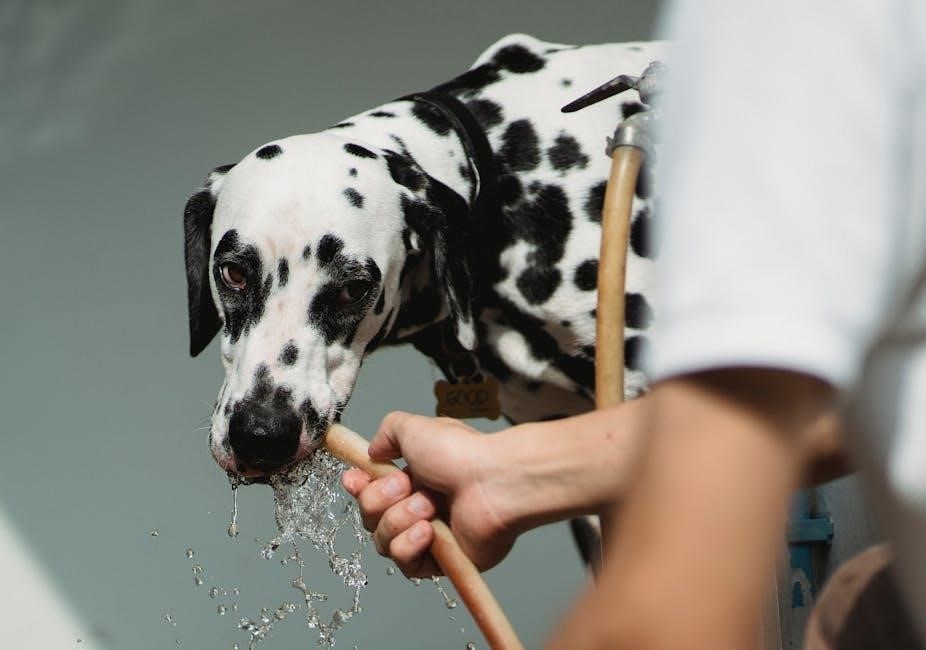
Gently tighten the connector with the pliers, applying only enough pressure to secure it. Avoid over-tightening, as this can damage the threads or crack the connector. Reconnect the hose to the water source and test for leaks. If the leak persists, inspect the hose washer (see section on replacing hose washers) as it may be worn and require replacement alongside tightening.
Repairing Cracked Hose Ends
Cracked hose ends are a frequent issue, often stemming from age, weathering, or repeated bending. While a severely damaged end may necessitate hose replacement, minor cracks can often be repaired. The most effective solution involves utilizing hose repair couplings.
Begin by cutting the hose cleanly just beyond the cracked section, ensuring a straight cut for a secure fit. Next, slide a screw band (or hose clamp) over the hose end. Insert the repair coupling, aligning it with the cut hose ends. Ensure the coupling is fully inserted and seated correctly.
Now, position the screw band over the coupling and tighten it firmly with a screwdriver. The screw band creates a watertight seal, securing the coupling to the hose. For added security, consider applying a waterproof sealant around the coupling before tightening the band. Test the repair by turning on the water and checking for leaks.

Pressure Washer Hose Repair
High-pressure hoses demand specialized attention due to the intense forces involved. Carefully inspect for bulges, kinks, or abrasions. Utilize dedicated repair kits designed for pressure washers, ensuring compatibility and safety for optimal performance.
Specific Considerations for High-Pressure Hoses
Pressure washer hoses operate under significantly higher pressure than standard garden hoses, necessitating a cautious and informed approach to repair. Unlike garden hose fixes, temporary solutions like standard tape are generally insufficient and potentially dangerous. The intense pressure can quickly compromise these repairs, leading to catastrophic failure and potential injury.
Always prioritize using repair kits specifically designed for high-pressure applications. These kits typically include appropriately rated couplings, reinforced patches, and secure clamping mechanisms. Pay close attention to the hose’s pressure rating (PSI) and ensure any replacement parts meet or exceed this specification. Never attempt to repair a hose that shows signs of significant damage, such as multiple cracks or a severely compromised inner tube; replacement is often the safest option.
Before undertaking any repair, completely disconnect the pressure washer from the power source and relieve all pressure within the hose. Properly securing the repaired section with robust clamps is crucial to prevent leaks and ensure the hose can withstand the operational pressure. Regular inspection of high-pressure hoses is paramount, as even minor damage can escalate rapidly under pressure.
Identifying Pressure Washer Hose Failures
Recognizing the signs of a failing pressure washer hose is crucial for preventing accidents and maintaining optimal performance. Common indicators include visible bulges or blisters along the hose’s length, signifying internal damage and potential rupture. Inspect carefully for cracks, especially near the couplings, as these are stress points prone to failure.
Pay attention to any leaks, even small ones, as they indicate a breach in the hose’s integrity. Reduced water pressure or an inconsistent spray pattern can also signal a blockage or internal damage restricting water flow. Kinks and twists, while seemingly minor, can weaken the hose over time, leading to eventual failure.
A pulsating sensation while the pressure washer is running might indicate a compromised inner tube. Always prioritize safety; if you suspect a hose failure, immediately shut off the pressure washer and disconnect it from the power source. Regular visual inspections before each use are essential for early detection of potential problems, preventing costly repairs and ensuring safe operation.
Using Specialized Pressure Washer Repair Kits
Dedicated pressure washer repair kits offer a convenient and reliable solution for addressing hose failures. These kits typically include specialized couplings designed to withstand high-pressure environments, along with screw bands for secure attachment. Ensure the kit is compatible with your pressure washer’s hose diameter and pressure rating before purchasing.
The repair process generally involves cutting the damaged section of the hose cleanly and inserting the repair coupling. Feed the screw bands over the hose on either side of the coupling, then tighten them firmly to create a watertight seal. Proper tightening is critical; avoid over-tightening, which could damage the hose or coupling.
Some kits may include thread sealant tape to further enhance the seal at the connections. Always follow the manufacturer’s instructions included with the repair kit for optimal results. Consider the hose’s overall condition; if the damage is extensive, replacing the entire hose might be a more prudent and safer option than attempting a repair.
Preventative Hose Maintenance
Extend your hose’s lifespan through mindful practices! Proper storage away from direct sunlight and extreme temperatures is key. Avoid kinks and twists during use and storage, inspect regularly for wear, and address minor issues promptly.
Proper Hose Storage Techniques
Effective hose storage significantly impacts its longevity and usability. Avoid leaving your hose continuously exposed to the elements, as sunlight degrades the material, causing brittleness and cracking. Consider a hose reel – either wall-mounted or portable – to neatly coil and protect the hose.
Alternatively, loosely coil the hose into large loops, avoiding tight bends that can create weak points. Store the hose in a shaded, dry location, such as a garage, shed, or covered patio. Drain the hose completely before storing it for the winter to prevent freezing and potential damage. Elevate the hose off the ground to improve air circulation and prevent mildew growth.
Avoid storing the hose directly on concrete or asphalt, as these surfaces can retain heat and accelerate degradation. Regularly check the storage area for pests or sharp objects that could damage the hose. Implementing these simple storage techniques will safeguard your investment and ensure your hose remains in optimal condition for years to come.
Avoiding Kinks and Twists
Kinks and twists are common hose frustrations, leading to reduced water flow and potential damage. To minimize these issues, prioritize gentle handling during use. Avoid sharply bending the hose around corners or pulling it tightly across obstacles. Instead, opt for gradual curves and ensure ample slack.
When coiling the hose for storage or transport, do so loosely, creating large, open loops. Resist the urge to tightly wrap the hose, as this encourages kinks to form. Consider using a hose reel with a swivel connection, allowing the hose to rotate freely and prevent twisting. Regularly straighten any kinks that do occur, as prolonged bending weakens the hose material.
Proper nozzle attachment and positioning can also help prevent twisting. By proactively addressing these factors, you’ll enjoy a smoother, more efficient watering experience and extend the lifespan of your garden hose.
Regular Hose Inspection Schedule
Proactive hose inspection is crucial for identifying potential problems before they escalate. Implement a routine – a quick visual check before each use is ideal. Look for bulges, cracks, abrasions, or signs of wear, particularly near the couplings and along the hose’s length. Pay close attention to areas frequently bent or dragged.
A more thorough inspection should be conducted monthly during peak usage and at least twice a year during storage. This involves unrolling the entire hose and carefully examining it for hidden damage. Test for leaks by connecting the hose to a water source and observing for any drips or sprays. Check the washers at the hose ends for wear and tear.
Documenting any issues found allows you to track the hose’s condition and prioritize repairs. Consistent inspections will save you time, water, and money in the long run, ensuring a reliable garden watering system.